FG Inaugurates Committee to Drive Engineering and Technology Education Reform in Tertiary Institutions
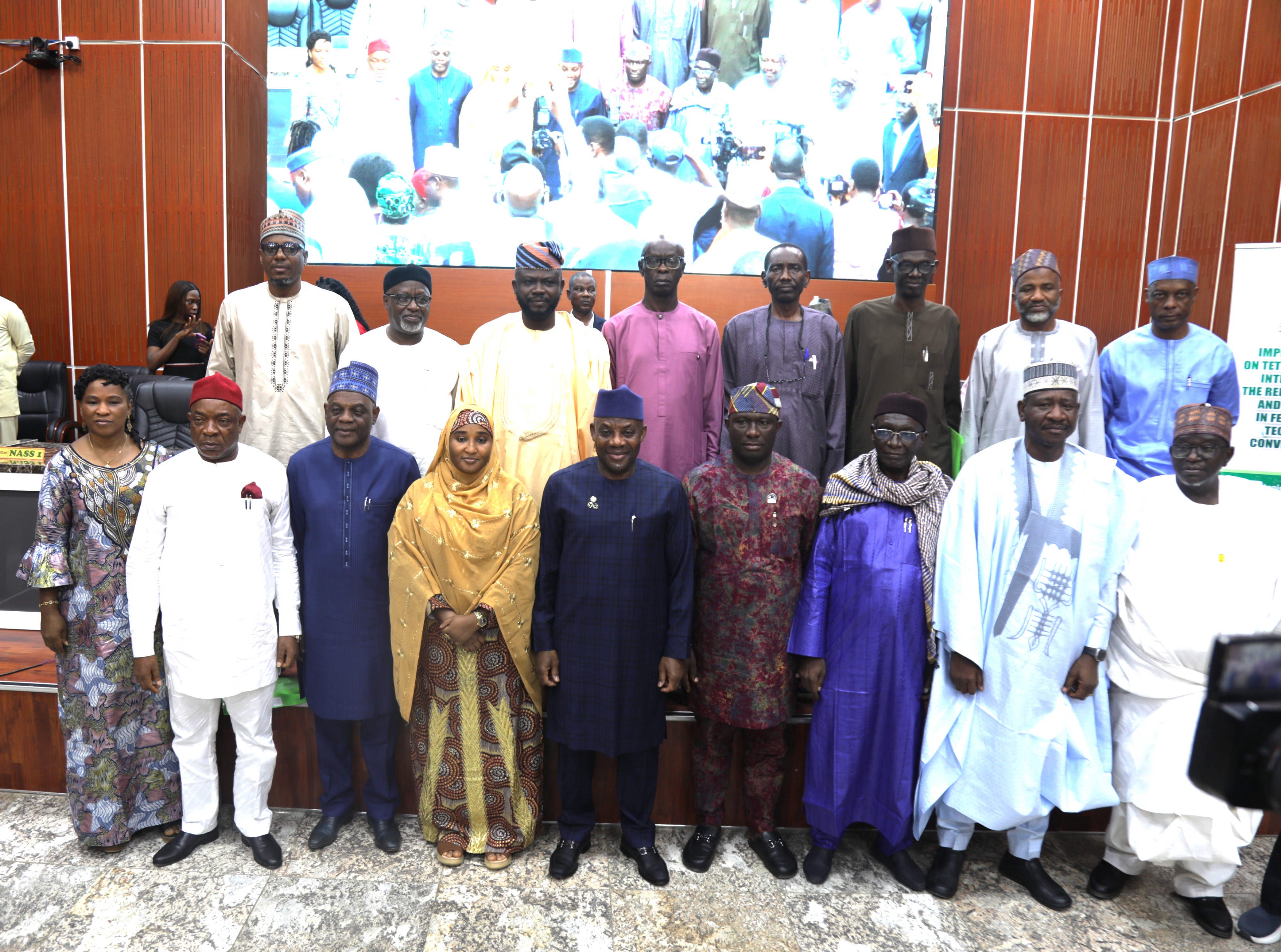
The Federal Government has inaugurated a ministerial monitoring, evaluation and implementation committee to oversee a special high impact intervention aimed at strengthening engineering and technology education in Nigerian universities. The inauguration took place at the Tertiary Education Trust Fund (TETFund) Headquarters in Abuja. The initiative, implemented in collaboration with the Tertiary Education Trust Fund, is designed to transform universities into centres of practical training, applied research, innovation and problem solving, moving them beyond a largely theoretical approach to practical engineering education. The committee is chaired by the President of the Nigerian Society of Engineers, Ali Rabiu, and includes scholars and professionals drawn from the engineering and technology sectors. Speaking at the inauguration in Abuja, the Minister of Education, Dr. Tunji Alausa, described the committee as a tactical step in government’s deliberate effort at rebuilding engineering and technology education as a driver of industrialization, innovation and sustainable national development. He noted that Nigeria has long faced a gap between theoretical knowledge and practical competence among engineering and technology graduates, which has negatively limited the employability of graduates, weakened confidence within industry and impacted negatively, the country’s competitiveness in the global technology environment. The minister explained that the special intervention project supported by the TETFund was conceived to address these challenges through the provision of modern workshops, advanced laboratories, specialised equipment and industry relevant training facilities capable of producing graduates who can design, fabricate, test and develop solutions for industrial applications. He clarified that the initiative is separate from other allocations already captured under the Fund’s 2026 intervention guidelines, which include about twenty billion naira set aside for upgrading engineering workshops in selected universities. Institutions listed for the first phase of the intervention include federal universities of technology across the geopolitical zones, including those in Akure, Owerri and Minna, alongside selected conventional federal and state universities. The committee is expected to monitor the rehabilitation and equipping of engineering and technology workshops in the beneficiary institutions and ensure compliance with approved standards. Its responsibilities also include recommending the construction of new workshops where necessary and overseeing the use of funds in line with procurement laws and transparency requirements. According to Alausa, other aspects of the committee’s mandate include maintaining digital records of projects, submitting periodic progress reports and recommending sanctions where institutions fail to comply with established guidelines. Also speaking at the event, the Minister of State for Education, Prof. Suwaiba Said Ahmad, described the intervention as important to Nigeria’s broader ambition for industrial development, innovation and sustainable economic growth. She emphasised that financial allocation alone would not guarantee success without effective implementation, strict adherence to standards and accountability. In his remarks, the Executive Secretary of the TETund, Arc. Sonny S.T. Echono, welcomed the initiative and acknowledged the support of the President and the National Assembly in promoting deliberate efforts to restore Nigerian universities to global competitiveness. He expressed confidence that the committee, made up of experienced professionals and technocrats, would help identify institutional needs, set priorities and ensure that the allocated funds are used prudently while projects are properly implemented